Published : 2026-05-11
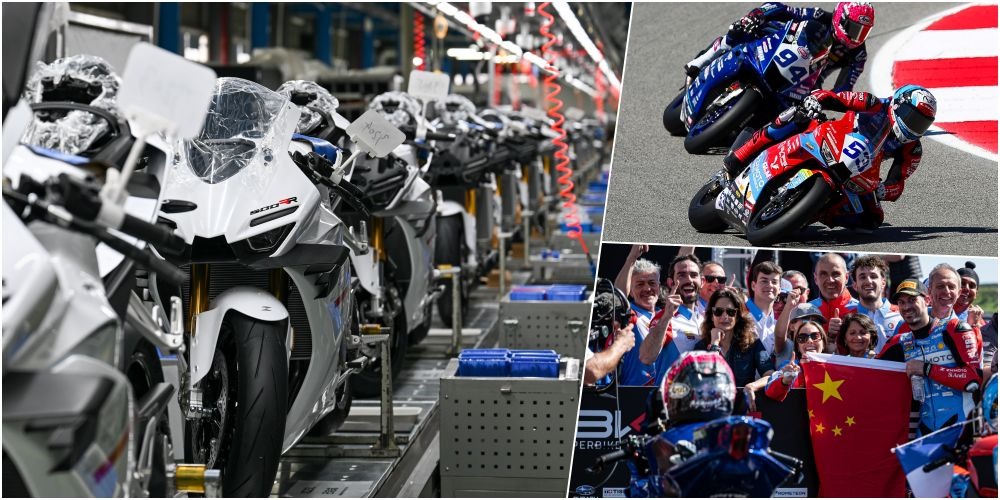
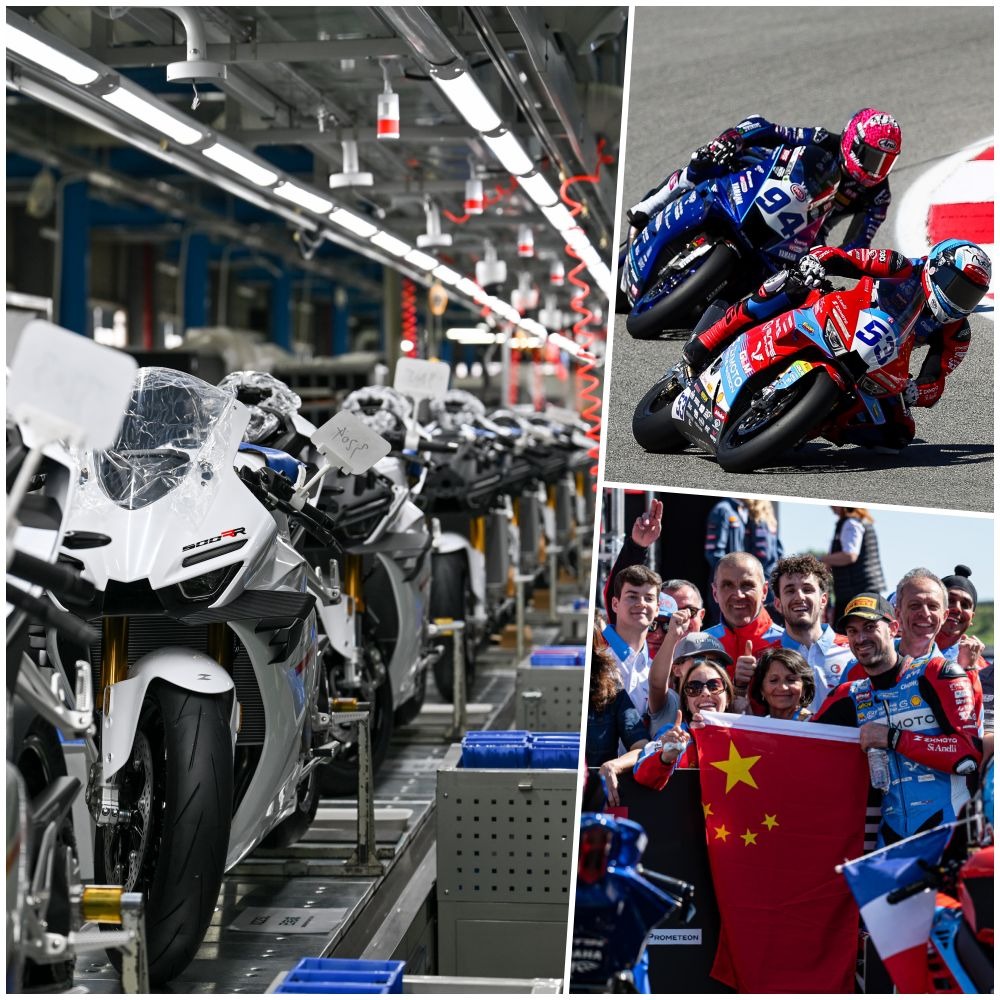
Recently, at the Superbike World Championship (WSBK), Chinese motorcycle manufacturer "ZXMOTO" (張雪機車) achieved a historic victory.
Established just two years ago and hailing from west China's Chongqing, what was the key to ZXMOTO becoming world champion? What is so impressive about Chongqing's motorcycle industry?
Chinese high-end motorcycles break the monopoly
The victory of motorcycle team of ZXMOTO has rapidly become the talk of the town. This achievement has garnered such immense attention because it marks the first time a Chinese motorcycle brand has reached the pinnacle of the WSBK (World Superbike Championship).
By doing so, it has not only shattered the decades-long monopoly held by European, American, and Japanese teams but has also showcased the prowess of Chinese high-end motorcycle manufacturing to the entire world.
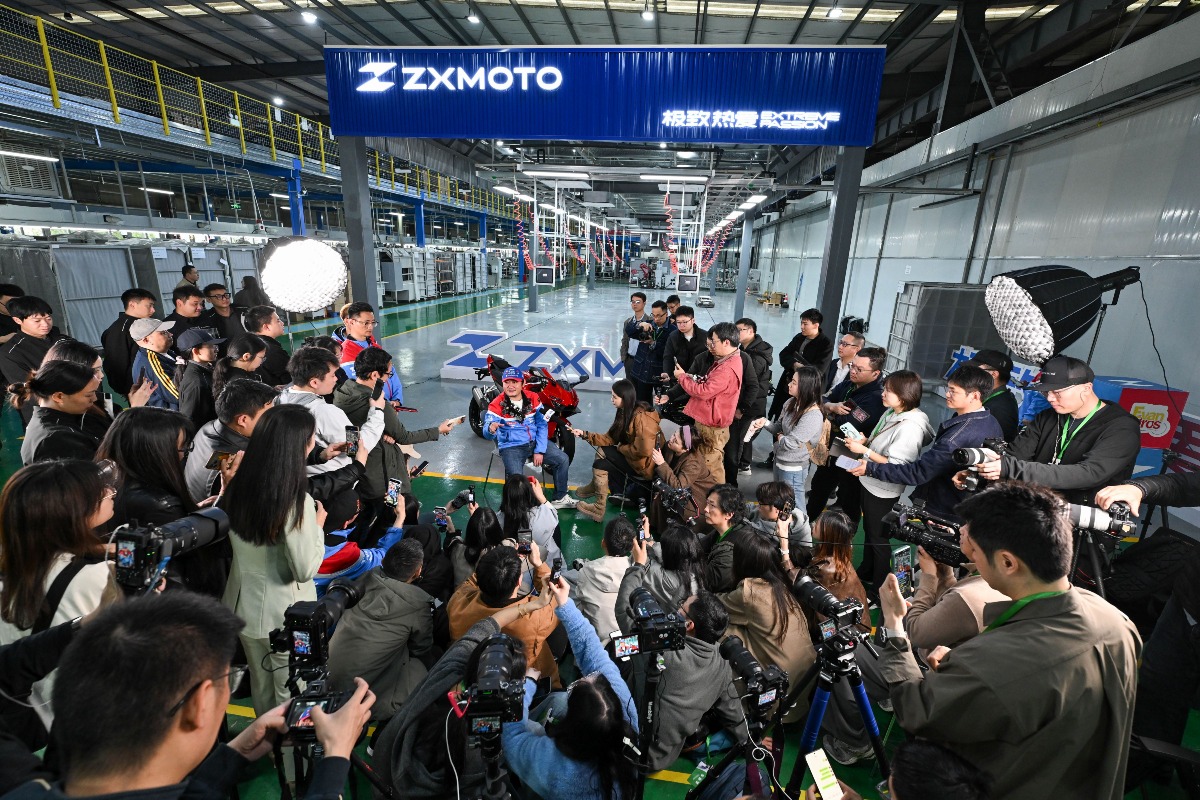
Wherein lies the success of "Made in China"?
First, let's talk about the WSBK. Its most significant feature is that the competing vehicles must be production models with limited modifications, making it regarded as a crucial platform for testing the performance of mass-produced motorcycles.
In other words, the contest on the track is not merely about the rider's skill, but a comprehensive showdown of the motorcycle's core technologies and even the entire industry chain.
Although China is the world's largest producer and seller of motorcycles, its core technologies, such as high-performance engines and precision tuning systems, have long been dependent on other countries, making it difficult for the development of its high-end motorcycles to break through.
Consequently, the presence of Chinese racing motorcycle brands in top-tier international competitions has been almost non-existent.
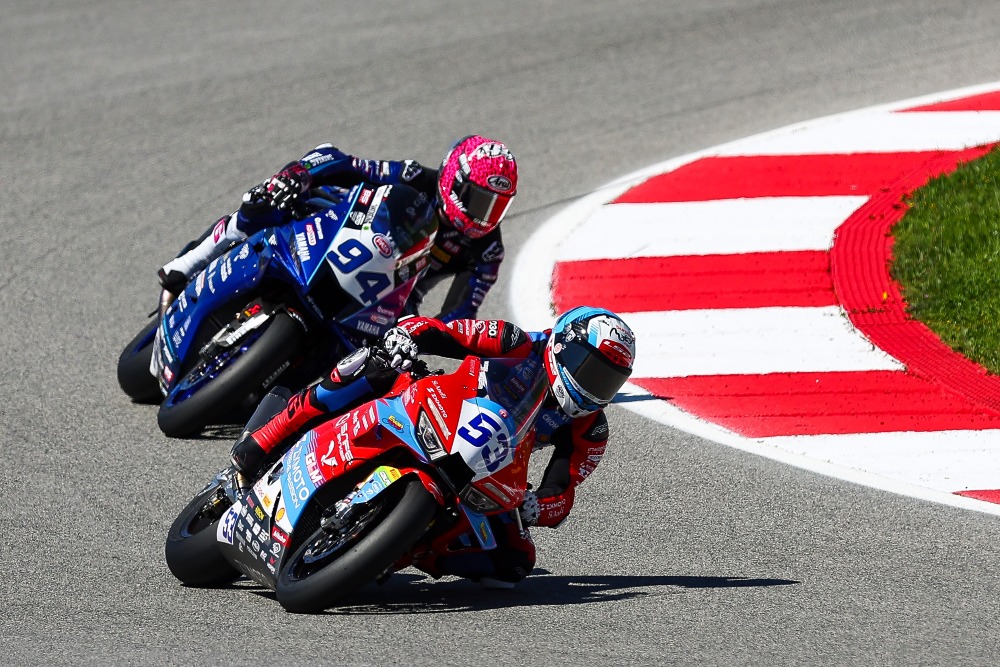
So-called "high-end motorcycles" typically feature powerful performance, luxurious configurations, exquisite craftsmanship, and a unique brand culture, offering both an ultimate riding experience and collectible value, with a price point far exceeding that of ordinary commuter motorcycles.
This market, too, was once dominated by European, American, and Japanese brands.
This victory of ZXMOTO signifies a major breakthrough for China's high-end motorbikes.
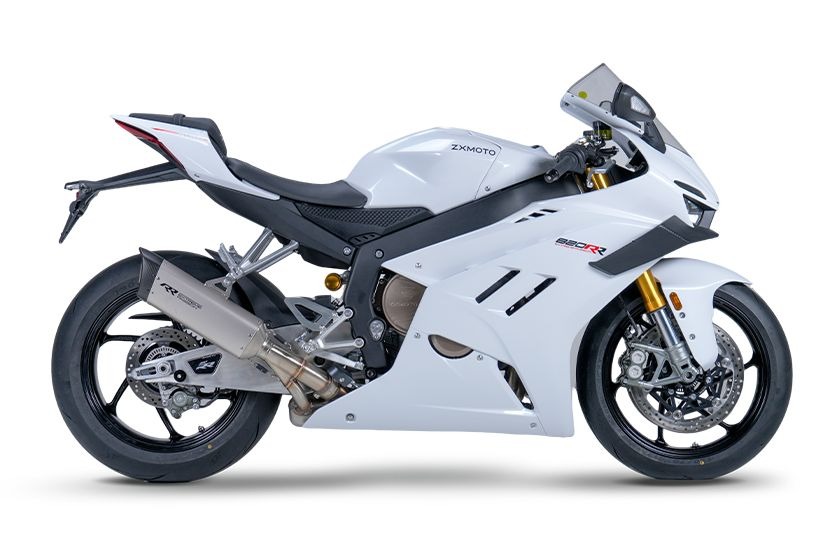
The racing motorbike used on this occasion was modified from the ZXMOTO 820RR, a three-cylinder super-sport model. From its core engine and critical components to the overall chassis tuning, this production model is entirely developed and manufactured in China.
When discussing the key to their success, Zhang Xue stated candidly, "We achieved the core advantages of having the highest horsepower, the lightest weight, and the lowest centre of gravity within the same displacement class."
The strengths of Chongqing's motorcycle supply chain propel Zhang Xue's team to victory
ZXMOTO was founded in 2024 and has achieved multiple technological breakthroughs in just two years. How did it accomplish this?
The answer, of course, is not that simple.
On the one hand, the founder, Zhang Xue, possesses nearly 20 years of industry experience, while his team is singularly focused on high-performance models and remains committed to the independent development of large-displacement engines.
But the more important source of confidence comes from Chongqing's robust motorcycle industrial chain.
Chongqing is known as the "Motorcycle Capital of China". For every three motorcycles exported from the country, one is produced in Chongqing. The region has 51 complete vehicle manufacturers and over 410 supporting component enterprises, with a local supply rate exceeding 90%.
As Zhang Xue said after the race, "If you have the blueprint for any part of the motorcycle, it can be made here, and the quality is in no way inferior to that from Europe, America, or Japan."
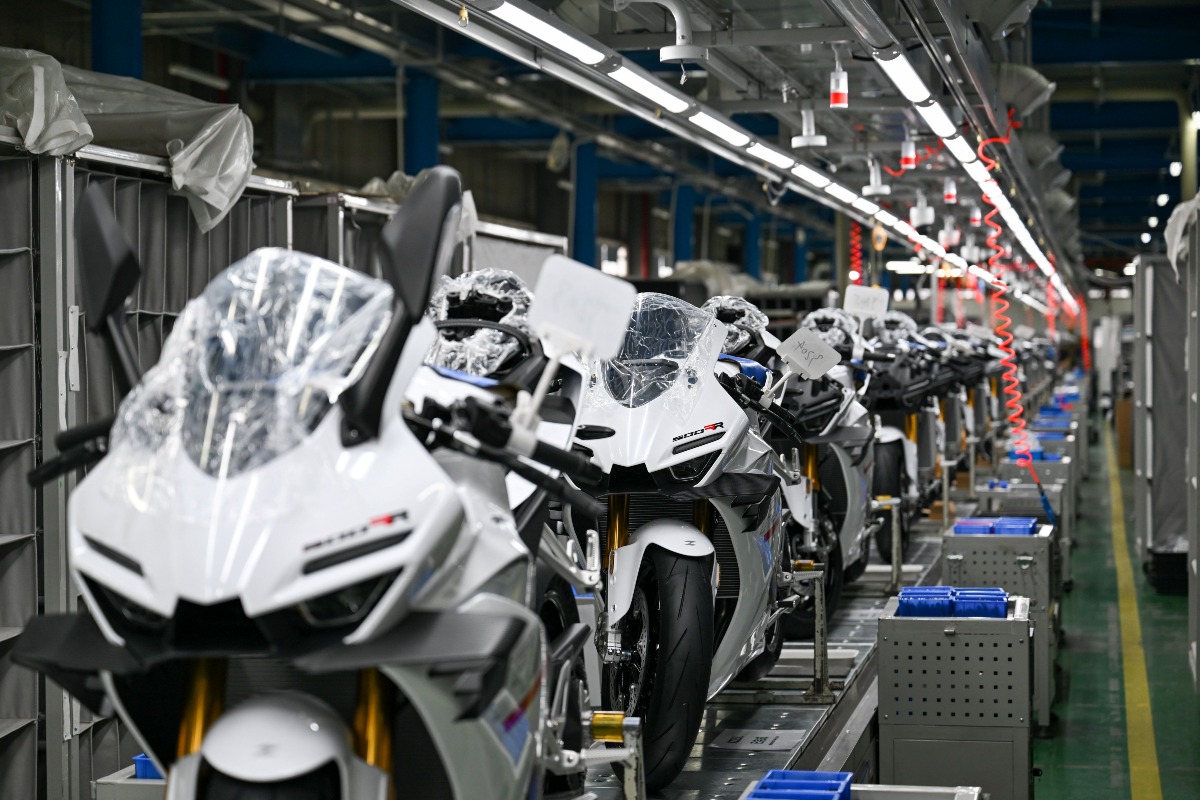
Such a complete industrial chain allows for extremely fast research and development iterations, low manufacturing costs, and high supply chain efficiency, giving it an advantage even over many international giants.
Read more: Things you might not know about Chongqing, China's cyberpunk city
The "three-stage symphony" of Chongqing's motorcycle industry transformation
However, the journey of the Chongqing motorcycle industry to where it is today has not been all smooth sailing. In fact, it has taken many detours along the way.
Starting in the 1980s, motorcycle companies such as Jialing (嘉陵), Lifan (力帆), Zongshen (宗申), and Loncin (隆鑫) rose one after another, and at that time, Chongqing's motorcycle production accounted for nearly half of the national total. But the industry mostly relied on low-end contract manufacturing and white-label exporting.
In a desperate bid to capture market share, companies engaged in a frantic price war, causing profit margins to wear thin. As a result, investment in research and development failed to keep pace, leading to a decline in product quality and a subsequent vicious circle.
Coupled with the phased introduction of "motorbike bans and restrictions" across numerous Chinese cities, market demand plummeted. This left Chongqing with severe overcapacity, and the entire industry gradually transitioned from its peak into a period of decline around the 2010s.
Facing this slump, there was only one way out for Chongqing's motorcycles: transformation and upgrading. Local enterprises mainly did three things to integrate the industrial chain:
First, technological innovation.
Moving away from low-end, cut-throat competition, the industry has turned its focus to the independent development of key components—such as engines, electronic control systems, and braking systems.
The primary objective became high-performance models with medium-to-large displacements, alongside the optimisation of overall product quality and the improvement of local sourcing rates.
Second, global branding.
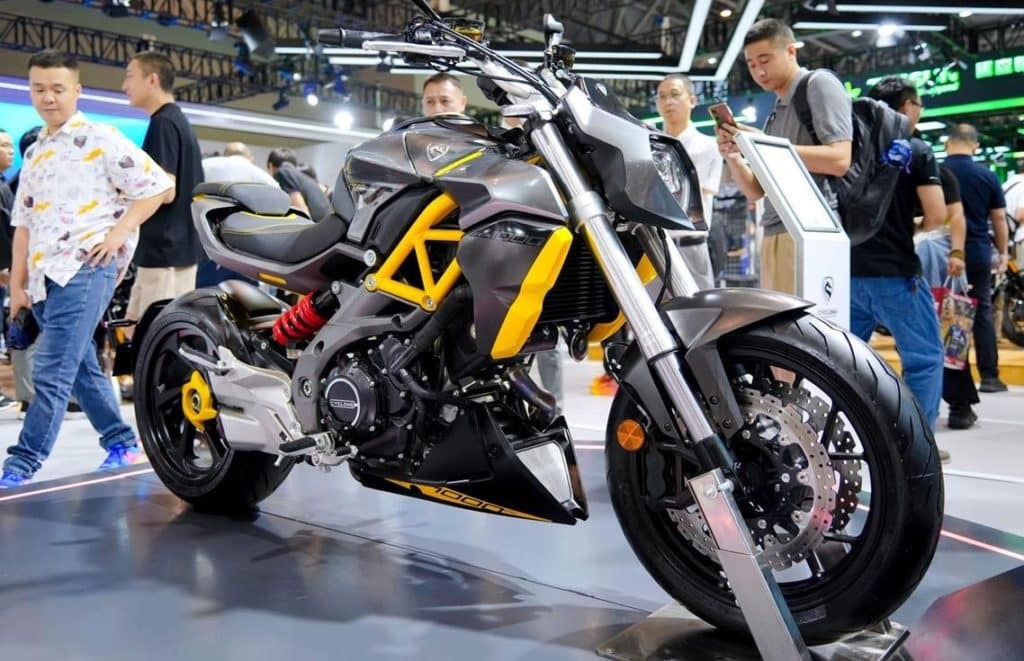
Moving away from Original Equipment Manufacturing (OEM), companies have established their own mid-to-high-end brands, such as Cyclone (賽科龍) and Voge (無極). They have upgraded their export models to break into premium markets while maintaining a solid foothold in traditional markets across Southeast Asia and Africa.
Next is cultural empowerment.
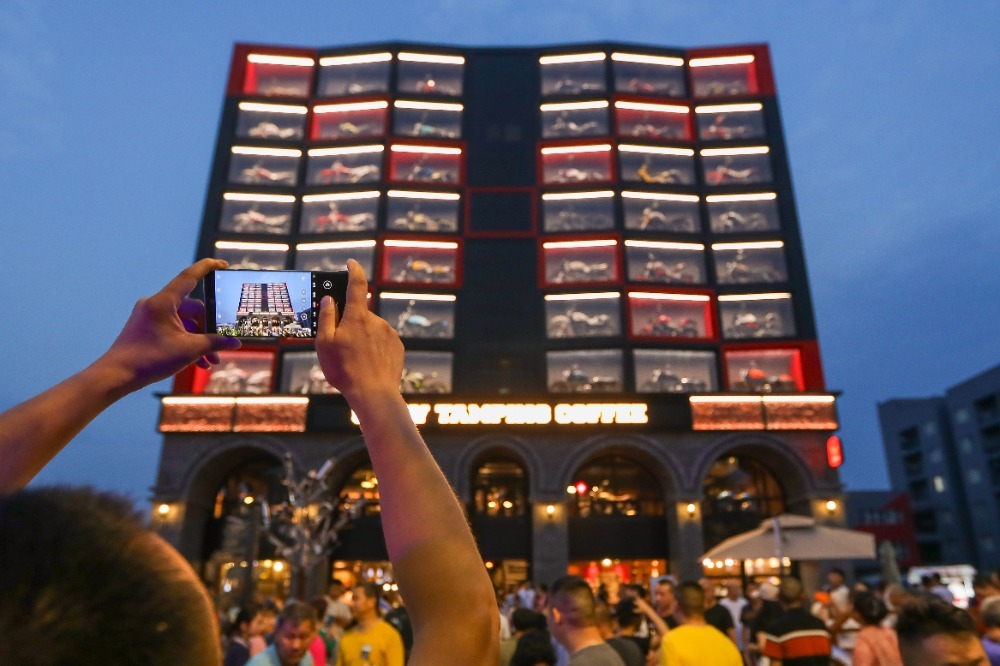
By integrating motorcycling with lifestyle trends and cultural tourism, the industry is creating homegrown racing IPs and enhancing events like the China International Motorcycle Trade Exhibition.
This approach extends to motorcycle-themed travel photography, creative parks, and curated riding routes, effectively using culture to drive consumer spending.
It is precisely through the three steps that Chongqing's motorcycle industry has bounced back from its lowest point.
Nowadays, its core technologies such as complete vehicle tuning, engines, and power systems have reached an internationally leading level. At the same time, by virtue of an extremely high value for money, it has successfully opened up high-end markets in Europe, America, and the Middle East.
The Chongqing motorcycle industry has not stopped there, but instead has closely followed the trend of electrification and smart technology, continuously upgrading and developing.
To expand its market footprint, Chongqing has introduced leading electric bicycle enterprises such as Aima (愛瑪) and Yadea (雅迪). The entire industry is becoming intelligent, with the main engine workshop using AI to improve production efficiency.
After ZXMOTO's victory, the Chongqing government also followed up on the victory.
On the 31 March 2026, Chongqing's Liangjiang New Area announced that it is planning to build a high-end motorcycle industrial park, providing ZXMOTO with a new base of nearly 200 mu (about 13.33 hectare) to further promote the development of the high-end motorcycle industry.
From low-end contract manufacturing to independent research and development and brand elevation, Chongqing's motorcycle industry has successfully pivoted towards high-end transformation. It is now firmly on a new track of high-quality development.
Supported by the synergy of technological innovation and a robust industrial ecosystem, breakthroughs like those achieved by ZXMOTO team are bound to become increasingly common, embodying the responsibility and mission of "Made in China" in this new era.
Read more: Competing for China's "Capital of New Energy Vehicles", which city comes out on top?